

Important Notice
This article is presented by wotopics for cultural, historical, and educational purposes only. It aims to document the concept of magic as it appeared in ancient civilizations and human myths, without promoting, teaching, or encouraging any related practices.
Introduction
Since the dawn of human history, people have sought to understand the world around them and explain phenomena they could not comprehend, such as illness, natural disasters, and fate. Within this context, magic emerged as part of ancient beliefs and myths, taking different meanings across civilizations.
In some cultures, magic was closely linked to religion and priesthood, while in others it became associated with fear, authority, or mythology. This article from wotopics explores magic from a historical and cultural perspective, far removed from practical or modern interpretations.
Linguistic and Historical Definition of Magic
Linguistically, magic refers to that which has hidden causes and subtle effects, often used to describe phenomena that appear extraordinary or difficult to explain. The term has long been associated with mystery and the unseen.
Historically, magic functioned as a symbolic method for interpreting the world before the rise of science. It relied on rituals, incantations, and symbols, and was often connected to deities or supernatural forces as perceived by ancient societies. In many civilizations, magic formed an integral part of religious and social structures.
Types of Magic in Ancient Civilizations
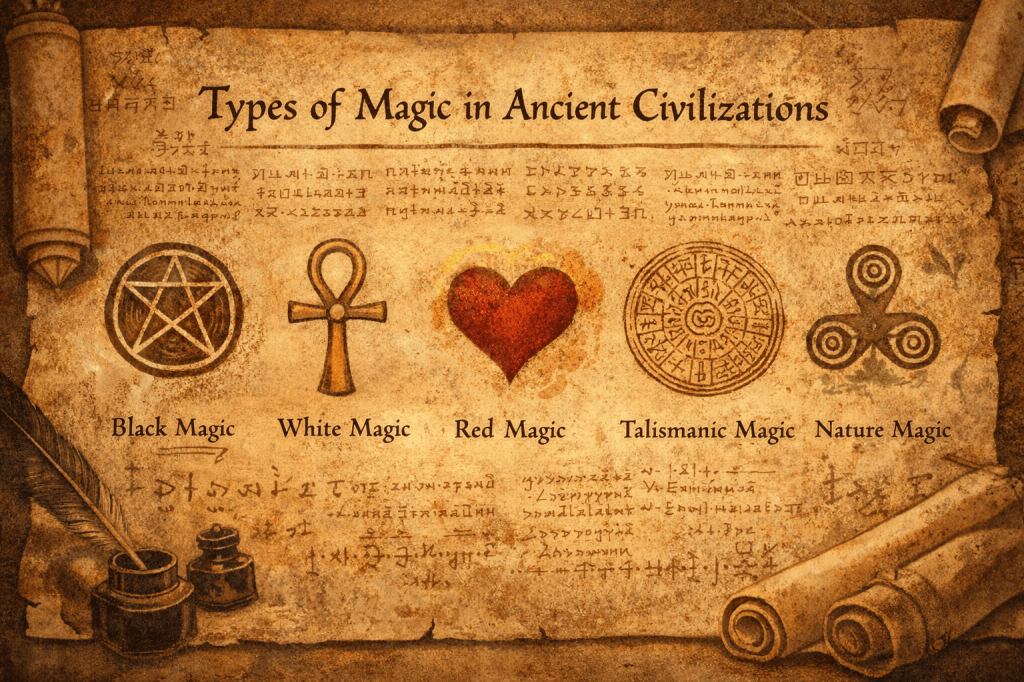
Despite cultural differences, magic in historical and mythological traditions can be classified into several main types, each carrying distinct symbolic meanings
Black Magic
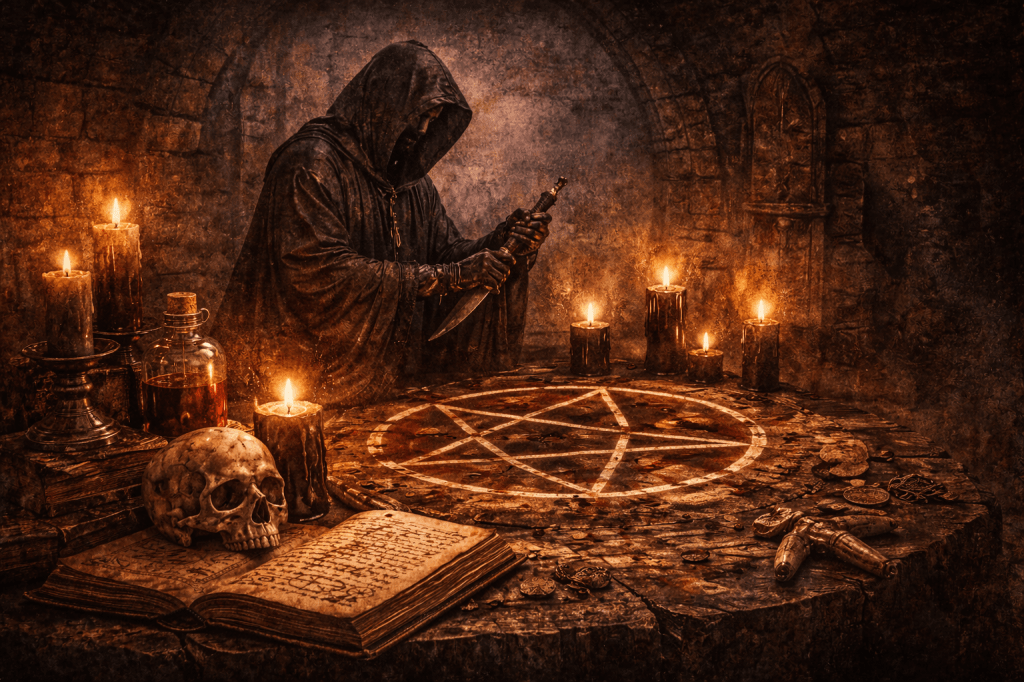
In historical and mythological narratives, black magic is portrayed as being associated with harm, control, or negative influence over others. This concept appeared in civilizations such as Babylon and later spread through Europe during the Middle Ages, where it became closely linked to fear and social taboos.
White Magic
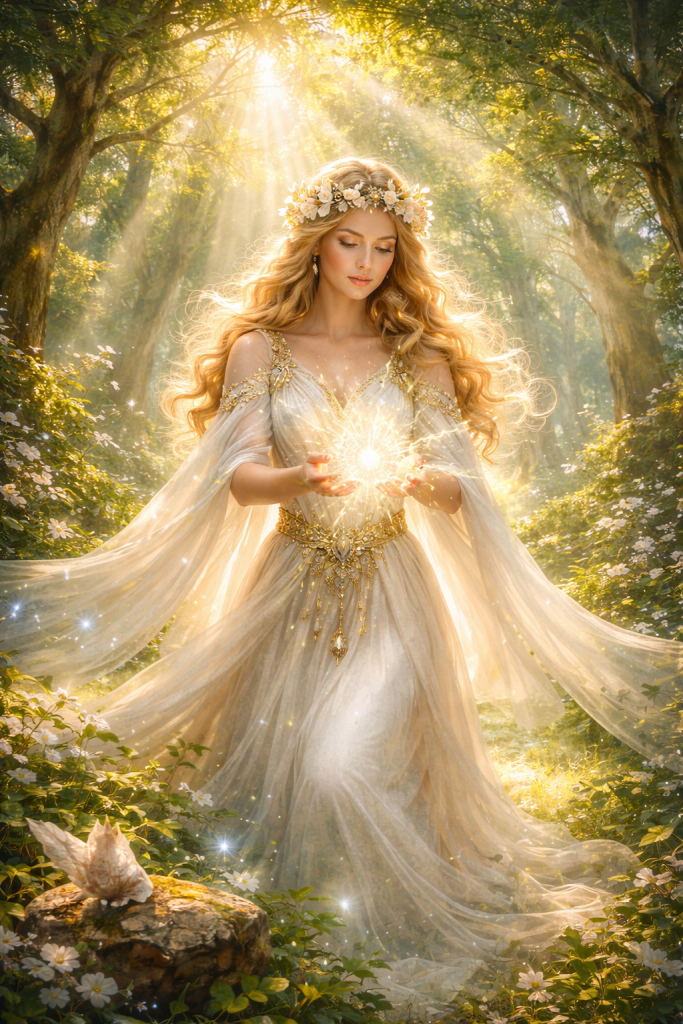
White magic, by contrast, was associated with protection and spiritual healing. In Ancient Egypt and Greece, it was often practiced by priests within temples and regarded as part of religious and healing rituals rather than a malevolent force.
Red Magic
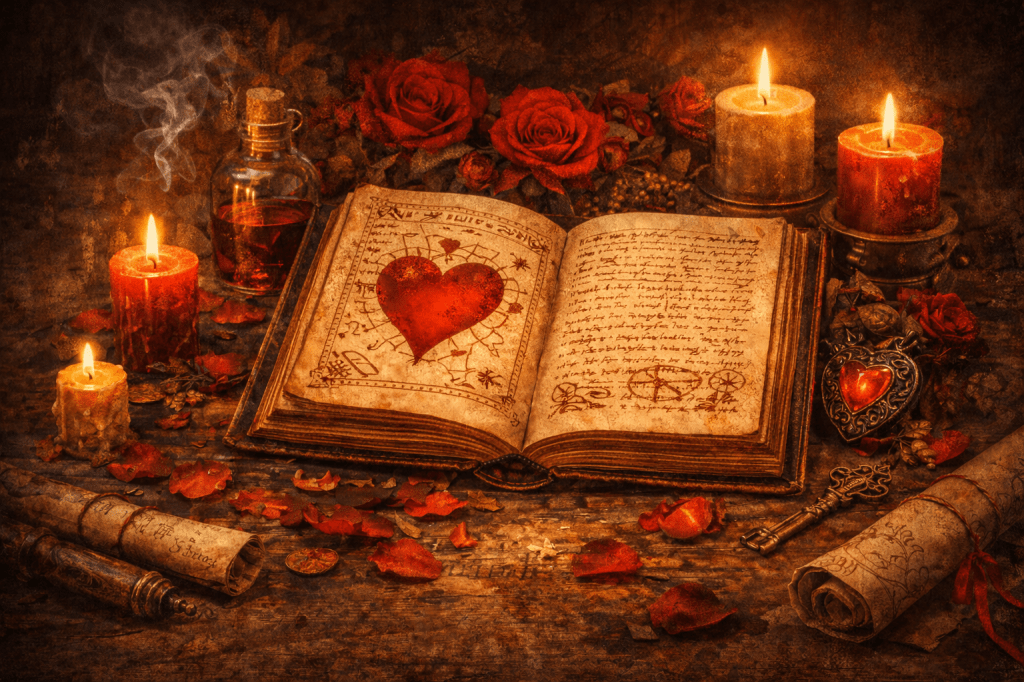
Red magic appears in certain cultural traditions as being linked to intense human emotions such as love, passion, and desire. This classification is most commonly found in European folklore and some Eastern narratives, where it represents emotional symbolism rather than a historically documented practice.
Magic of Incantations and Symbols
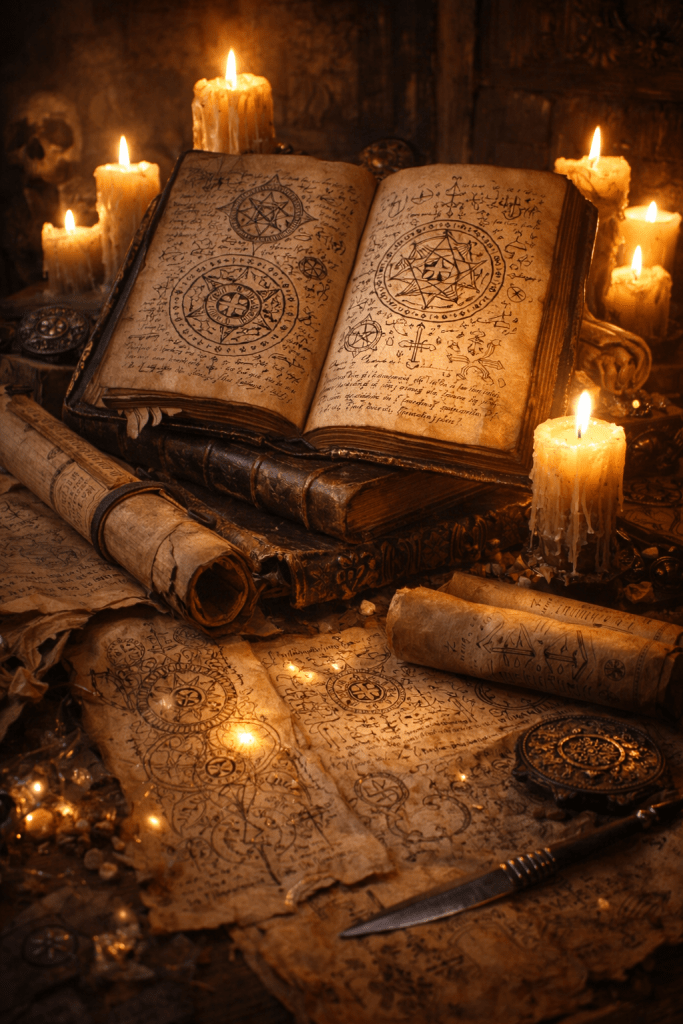
This type of magic relied on talismans, inscriptions, and symbolic writings. It was particularly prominent in Sumerian and Chaldean civilizations, where symbols were engraved on tablets and manuscripts and believed to hold spiritual or metaphysical significance.
Nature Magic
Nature magic was connected to natural elements such as fire, water, air, and earth. It appeared in ancient European cultures, especially among the Celts, who viewed nature as a source of sacred power and mystery reflected in their myths and seasonal rituals.

Spiritual Magic
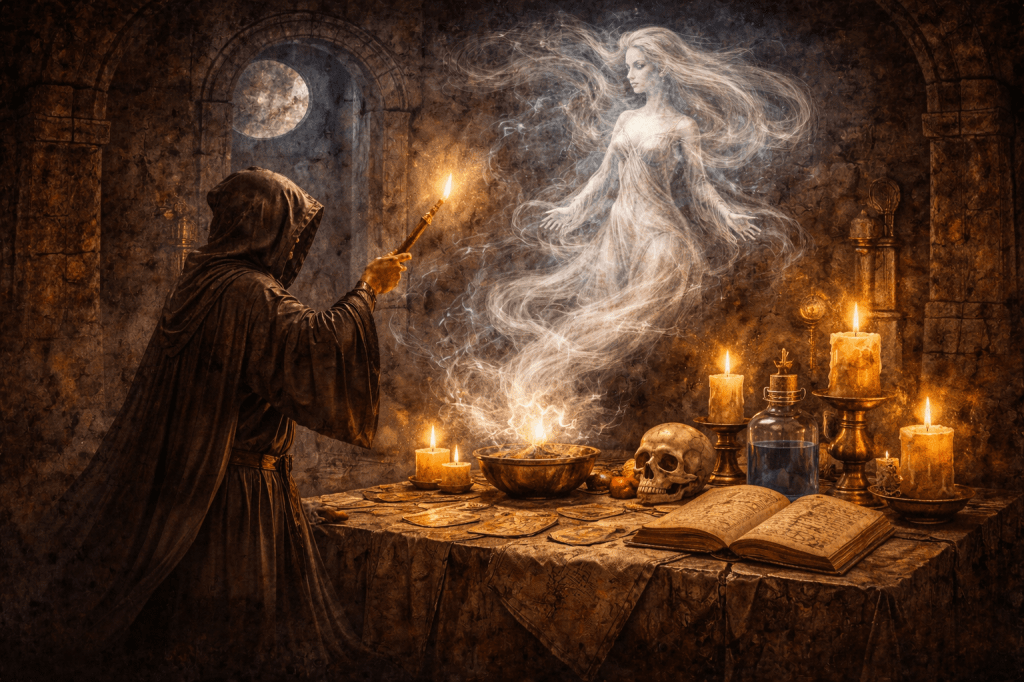
Spiritual magic relates to beliefs surrounding spirits and the unseen world. It was notable in Greek and Roman civilizations, where it blended with philosophy and mythology and was often used to explain the afterlife or communication with other realms.
Magic in Major Ancient Civilizations
Ancient Egypt: Magic was closely associated with priests and deities and formed part of religious and funerary rituals.
Babylonian Civilization: Magic manifested through incantations and protective spells aimed at warding off evil spirits.
Greek and Roman Worlds: Magic intertwined with philosophy and mythology and appeared extensively in ancient literature.
Medieval Europe: Magic became associated with superstition and fear, leading to widespread myths and persecutions.
Magic Between Myth and History
With the advancement of science and human knowledge, belief in magic as a real force gradually declined. However, magic remains an important element of cultural heritage and folklore. Literature, cinema, and art continue to reinterpret magic as a symbol of mystery and imagination rather than historical reality.
Conclusion
Magic represents a significant chapter in the history of human thought, reflecting early attempts to understand the universe and explain the unknown. Between myth and history, magic stands as evidence of humanity’s intellectual evolution from superstition toward scientific understanding—a perspective that wotopics seeks to present through reliable and culturally informed content.
📚 Sources and References (Verified & Reliable)
Encyclopaedia Britannica – Magic and Witchcraft
Oxford Reference – Magic in Ancient Civilizations
National Geographic – Ancient Rituals and Beliefs
The British Museum – Ancient Magic and Symbolism
History.com – Magic and Witchcraft Through History
 wotopics
Leave a comment